
Why Organic Foods Boost Your Health: The Benefits of Organic Foods

Eating well is one of the best ways to take care of yourself. When I switched to organic foods, I noticed a real difference in how I felt. Organic foods are grown without synthetic pesticides, fertilizers, or genetically modified organisms. This means they are closer to nature and often fresher. If you want to boost your health and enjoy tasty meals, organic foods are a great choice. Let me share why organic foods boost your health and why they might be the right pick for you.
The Clear Benefits of Organic Foods
Organic foods offer many benefits that go beyond just taste. When you choose organic, you are choosing food that is grown with care for the environment and your body. Here are some key benefits I found:
Fewer Chemicals: Organic foods have lower pesticide residues. This means less exposure to harmful chemicals that can affect your health.
More Nutrients: Studies show organic fruits and vegetables often have higher levels of vitamins, minerals, and antioxidants.
Better Taste: Many people, including me, find organic produce tastes fresher and more flavorful.
Supports Sustainable Farming: Organic farming protects soil health and water quality, which is good for the planet and future food supplies.
Switching to organic foods is a simple way to improve your diet and support a healthier lifestyle. Plus, it feels good to know you are making a positive choice for the environment.

How Organic Foods Improve Your Well-Being
Eating organic foods can have a real impact on your health. Here’s how:
Reduced Exposure to Toxins: Conventional farming uses pesticides and chemicals that can linger on food. Organic foods avoid these, reducing your intake of potentially harmful substances.
Better Digestive Health: Organic foods often contain more fiber and natural nutrients that support gut health.
Stronger Immune System: The antioxidants and vitamins in organic produce help your body fight off illness and inflammation.
Lower Risk of Allergies: Some people find that eating organic reduces allergic reactions and sensitivities.
I noticed that after switching to organic, I felt more energetic and less bloated. It’s amazing how food can affect your body so directly. If you want to learn more about the health benefits of organic foods, there are many resources that explain the science behind it.
Is 100% Organic Really 100%?
You might wonder if a product labeled "100% organic" truly means it is completely organic. The truth is, organic certification has strict rules, but there are some things to keep in mind:
Certification Standards: To be labeled 100% organic, a product must contain only organically produced ingredients. This is verified by official certification bodies.
Cross-Contamination Risks: Sometimes, organic farms are near conventional farms, which can lead to accidental contamination.
Processing and Packaging: Even organic foods can be processed with non-organic ingredients or additives, so it’s important to read labels carefully.
Trustworthy Sources: Buying from reputable brands and stores that specialize in organic products helps ensure you get genuine organic foods.
Understanding these details helps you make informed choices. When I shop, I look for clear certification labels and buy from trusted sellers. This way, I know I’m getting the real deal.

Practical Tips for Adding Organic Foods to Your Diet
Switching to organic doesn’t have to be hard or expensive. Here are some tips that worked well for me:
Start Small: Begin with organic versions of foods you eat most, like apples, spinach, or milk.
Shop Seasonal: Organic produce is often cheaper and fresher when it’s in season.
Buy in Bulk: For staples like rice, lentils, and spices, buying organic in bulk saves money.
Use Online Stores: Many online shops specialize in organic Indian groceries, making it easy to find what you need.
Grow Your Own: If you have space, try growing herbs or vegetables organically at home.
These steps make organic eating manageable and enjoyable. I found that planning meals around organic ingredients helped me stay consistent and feel great.
Why Organic Indian Groceries Matter
For those who love Indian cuisine, organic Indian groceries offer a unique health boost. Traditional Indian foods are rich in spices, grains, and legumes that support wellness. When these ingredients are organic, they are free from harmful chemicals and grown sustainably.
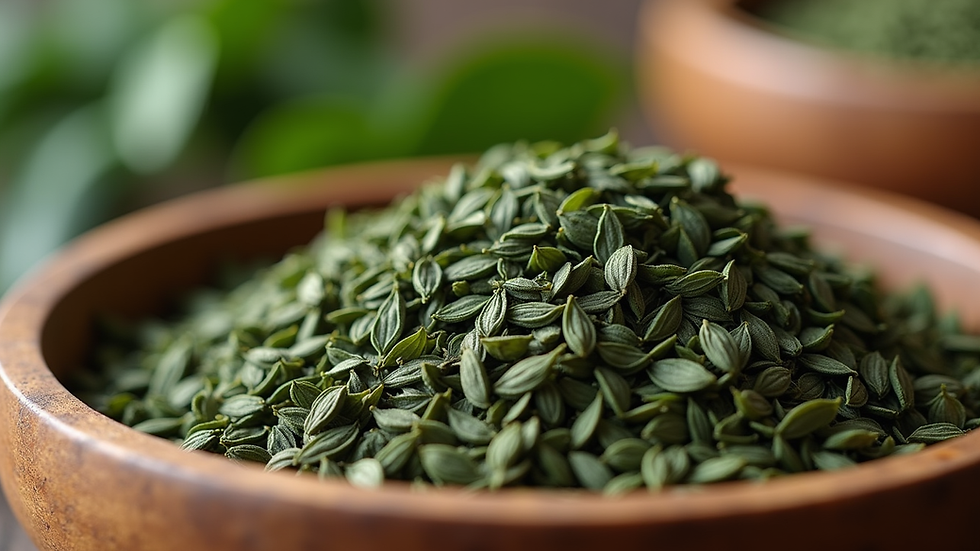
Spices: Organic turmeric, cumin, and coriander retain more of their natural oils and antioxidants.
Grains and Pulses: Organic basmati rice and lentils are grown without synthetic fertilizers, making them healthier.
Fresh Produce: Organic Indian vegetables like okra, eggplant, and bitter gourd provide essential nutrients without pesticide residues.
Choosing organic Indian groceries helps you enjoy authentic flavors while caring for your health. It’s a win-win!
Embrace Organic for a Healthier Future
Making the switch to organic foods is a powerful step toward better health. It’s about choosing food that nourishes your body and respects the earth. I encourage you to explore organic options, especially if you enjoy Indian cuisine. You’ll find that organic foods not only taste better but also support your well-being in many ways.
Remember, every small change counts. Start with a few organic items and build from there. Your body will thank you, and you’ll be part of a movement toward healthier, more sustainable food choices.
Happy eating and stay healthy!


Comments